
The Trucking Industry's Ongoing Struggle: Why Financing Doesn't Keep Up With the Road
A look at why trucking companies often get left behind by traditional lenders, and where alternative funding fits into the day-to-day realities of running a fleet.
The Trucking Industry's Ongoing Struggle: Why Financing Doesn't Keep Up With the Road
Ask any trucking owner about the hardest part of running the business, and somewhere near the top of the list you'll hear something about dealing with banks. Trucks move the country — food, fuel, freight, everything in between — but the lending world hasn't really caught up to how the industry actually operates. The result is a financing gap that tends to hit small and mid-sized operators hardest, right when they can least afford it.
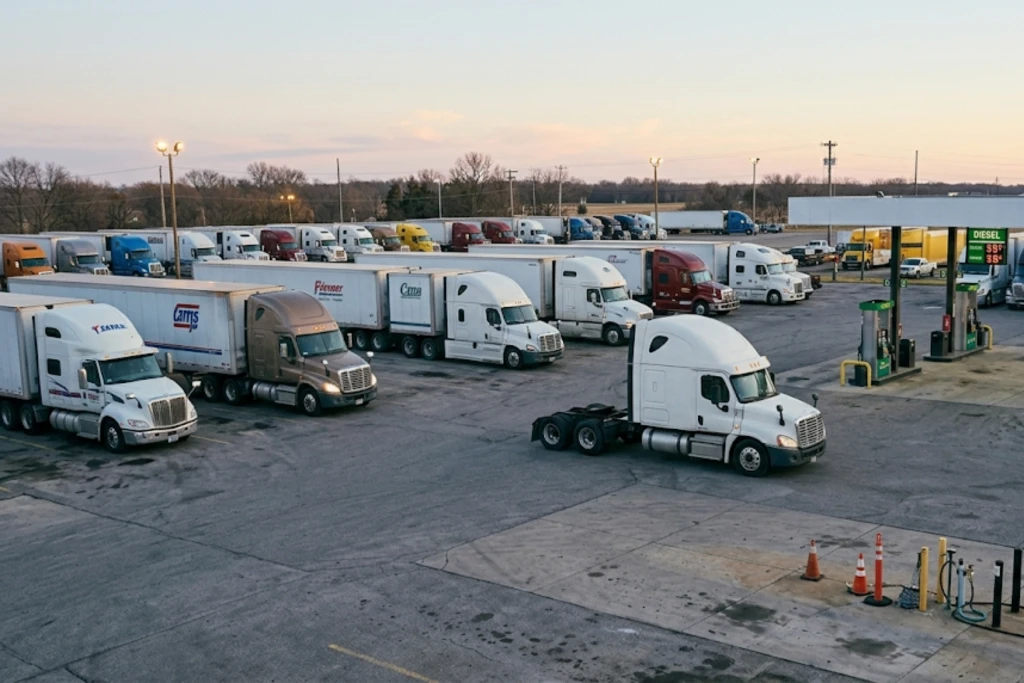
Why a Traditional Bank Loan Is a Tough Fit
The rules banks follow aren't wrong for every industry, but they rarely line up with the shape of a trucking business.
- Strict Credit and Collateral Requirements: SBanks want long credit histories, detailed financials, and real assets on the line. Independent operators and smaller fleets often have the revenue but not the paperwork.
- Slow Approvals: A blown transmission doesn't wait six weeks for underwriting. Financing that arrives late is about as useful as financing that doesn't arrive at all.
- Inflexible Terms:Fuel prices move, freight volumes swing, and seasons matter. Fixed monthly payments can feel manageable in May and crushing in November.
- For a lot of owners, that combination is enough to close the door on a traditional loan before it really opens.
Why Alternative Financing Tends to Work Better for Fleets
Alternative lenders generally evaluate a trucking business the way an operator would — by looking at revenue, cash flow, and how the business actually runs, instead of focusing narrowly on credit score and collateral.
- Faster Funding: Approvals in days rather than weeks, so a repair, a hire, or a fuel run can actually happen on time.
- Flexible Repayment: Structures that account for the rhythm of freight revenue instead of pretending it's flat.
- Less Collateral Pressure: Many options are backed by business performance rather than by tractors, trailers, or real estate.
- Industry Awareness: Providers who work with fleets regularly understand what a rising diesel price or a slow hauling month means on a balance sheet.

Five Things to Check Before Committing to a Lender
Before signing with any financing partner, there are a few things worth pressure-testing.
- 1. How Fast Can They Fund? If approvals drag, the financing isn't really solving the problem. Speed is part of the product, not a bonus.
- 2. Do the Payments Flex? Freight income doesn't look the same every month. A repayment schedule that accepts that reality is a lot more sustainable than one that doesn't.
- 3. Are the Costs Actually Transparent? Ask for the full picture — rate, origination, processing, late fees. Anything that can show up on a statement should be visible before you sign.
- 4. Do They Understand Trucking? A lender who knows what DOT compliance costs or what a driver shortage actually looks like will build better terms than one who treats every business the same.
- 5. What Do They Want as Collateral? If they're asking for a tractor or trailer, think about what happens if freight slows for a quarter. Revenue-based financing is often a better fit.
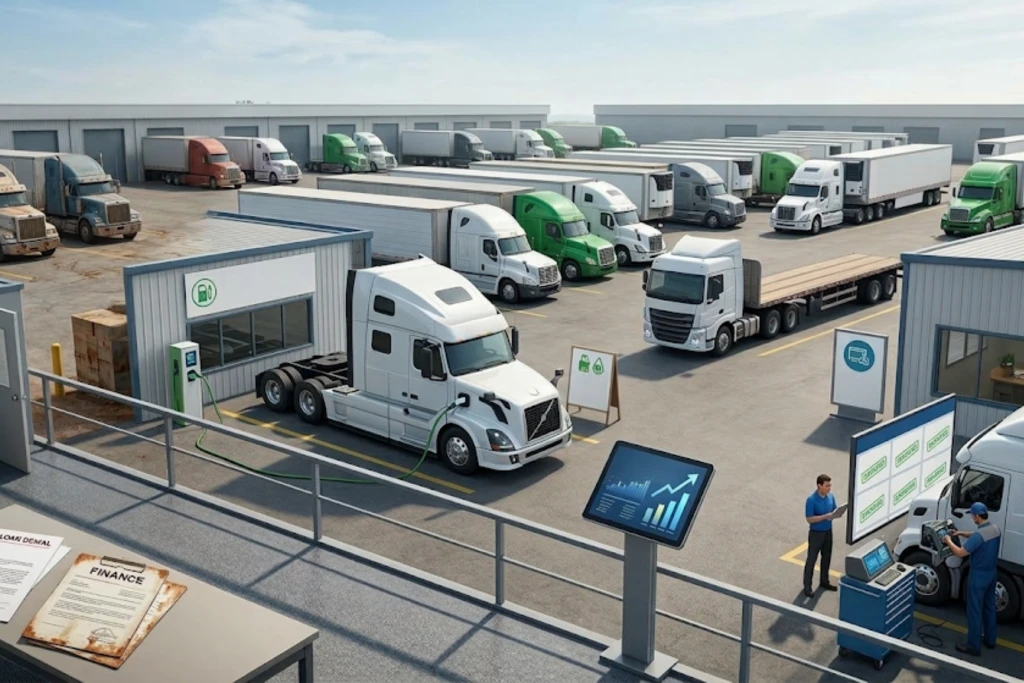
Ten Places Working Capital Gets Used in Trucking
Timing matters as much as the amount. Ten common situations where having capital on hand changes the outcome:
- 1. Truck Purchases and Upgrades: Adding to the fleet or replacing a unit that's costing more in downtime than it's worth.
- 2. Maintenance and Repairs: Covering the unplanned work that always seems to land mid-haul.
- 3. Fuel Price Swings: Absorbing spikes without cutting into margins elsewhere.
- 4. Licensing and Compliance: Keeping DOT, IFTA, and insurance obligations current.
- 5. Payroll and Driver Hiring: Getting drivers behind the wheel in a tight labor market.
- 6. Insurance Premiums: Paying annual or quarterly premiums without stressing monthly cash flow.
- 7. Route Expansion: Taking on new lanes or service areas when the opportunity shows up.
- 8. Parts Inventory: Keeping critical spares on hand instead of waiting on shipments.
- 9. Fleet Technology: ELDs, telematics, dispatch software, and fuel cards that pay for themselves over time.
- 10. Debt Consolidation: Refinancing older, higher-cost obligations into something cleaner.
What Actually Keeps a Fleet Moving
Plenty of trucking businesses run on thin margins and tight schedules. The ones that last usually aren't the ones with the biggest contracts — they're the ones who figured out how to keep the fleet funded, the drivers paid, and the equipment moving when something unexpected shows up. Financial flexibility isn't the flashy part of the business, but it's usually what keeps everything else working.
In Closing: Financing That Actually Fits the Industry
Trucking runs on timing, and financing should match that pace. Traditional lending still works for some operators, but alternative options have become the more practical choice for the fleets dealing with real-world swings in fuel, freight, and demand. With the right partner in place, capital becomes one less thing to worry about — and the road ahead gets easier to plan for.
Apply Now Explore All Industries